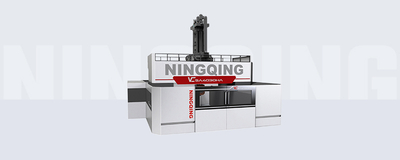
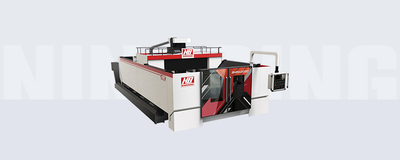
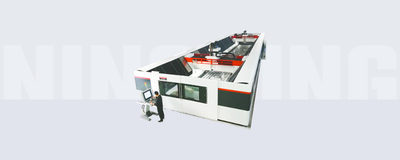
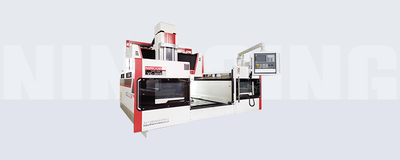
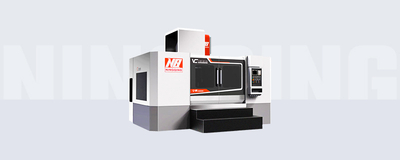
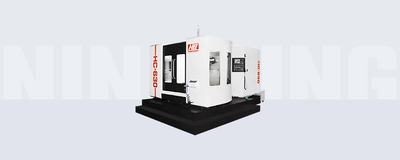
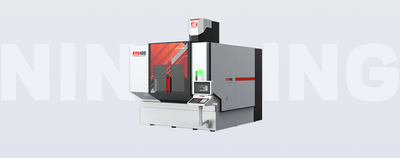
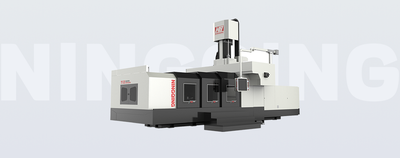
Heavy-Cutting Moving Column Cnc Machining Center: How Can High-Rigidity Machine Tools Be Competent For Heavy-Duty Machining Tasks?
You are here: Home » News » Industry Insights » Heavy-Cutting Moving Column Cnc Machining Center: How Can High-Rigidity Machine Tools Be Competent For Heavy-Duty Machining Tasks?
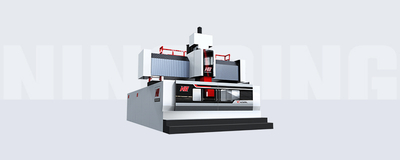
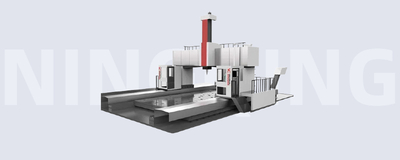
1. Structural advantages: Why is the moving column more suitable for heavy cutting?
Unlike traditional fixed column machining centers, the moving column design (Moving Column) allows the column to move on the bed while the workbench remains fixed. This structure brings three core advantages:
High rigidity: The column adopts an integral casting or welding structure, with a wide guide rail, which is extremely resistant to vibration and can withstand large cutting forces without deformation.
Large load capacity: The workbench is fixed and can carry several tons or even tens of tons of heavy workpieces, avoiding the loss of precision caused by inertia during movement.
Long-stroke machining: The dynamic column layout has a longer stroke on the X-axis (left and right direction), which is suitable for machining ultra-long workpieces such as large boxes and wind power gears.
2. Typical application areas: Which industries cannot do without it?
The core value of the heavy-cutting dynamic column machining center lies in the machining of **"large, heavy, and hard"** workpieces, which are mainly used in:
Aerospace: Efficient milling of large aluminum alloy/titanium alloy structural parts such as aircraft frames and engine casings.
Energy equipment: Precision machining of high-temperature resistant alloys such as nuclear power rotors and gas turbine blades.
Rail transportation: Batch processing of high-speed rail bogies and large gearboxes.
Mold manufacturing: Processing of hardened steel with a hardness exceeding HRC50 such as automotive cover molds and die-casting molds.
Taking the wind power industry as an example, the machining of a 5MW wind power gearbox requires continuous cutting for hundreds of hours. Traditional machine tools are prone to thermal deformation, resulting in reduced accuracy, while dynamic column machine tools can control the machining error within 0.02mm with their stable thermal symmetric structure and powerful cooling system.
3. Technology upgrade: intelligent and composite trends
Modern heavy-duty cutting dynamic column machine tools are evolving in two directions:
Compound processing: integrated milling, turning, deep hole drilling and other functions to achieve "one clamping, all completed" for large workpieces.
Conclusion
From 10,000-ton ship diesel engines to the titanium alloy frame of the C919 large aircraft, heavy-duty cutting dynamic column CNC machining centers are supporting the extreme processing needs of high-end manufacturing industries with the posture of "steel behemoths". With the emergence of new materials and new processes, the rigidity, precision and intelligence levels of such machine tools will continue to break through, becoming an indispensable core equipment in the heavy industry field.
We'd love to hear from you! Whether you have questions, need more information, or want to discuss a potential partnership, please fill out the form below and we'll get back to you as soon as possible.