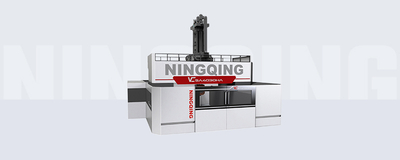
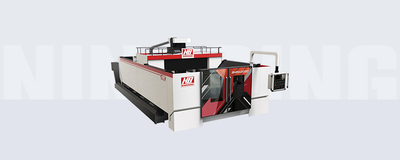
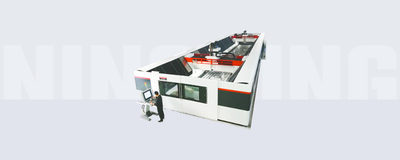
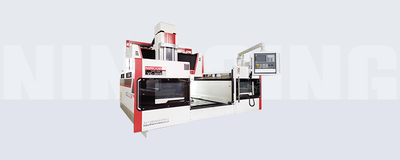
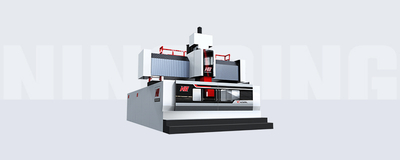
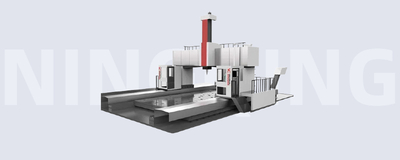
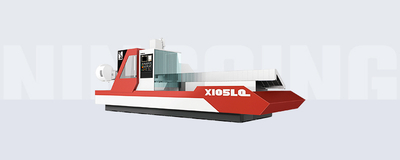
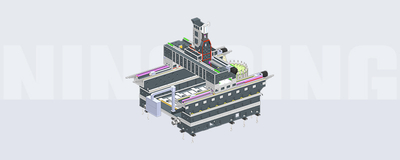
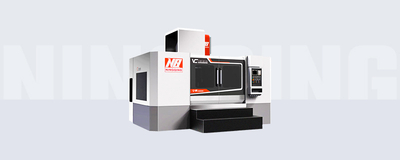
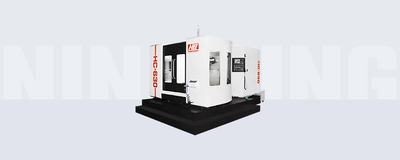
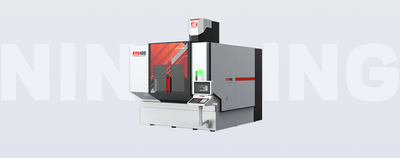
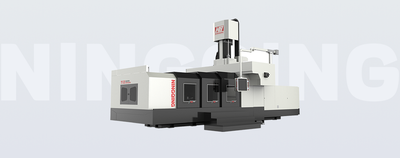
The five-axis gantry machining center is a high-end CNC machine tool that combines the gantry structure and the five-axis linkage system. It not only has the advantages of large stroke and high rigidity of traditional gantry machining centers, but also has the flexibility and multi-angle processing capabilities of five-axis linkage. It can complete multi-faceted, multi-angle, and high-precision complex machining tasks in one clamping.
2. Key advantages for improving the machining accuracy of complex parts
One clamping, multi-faceted linkage processing, avoiding error accumulation
Traditional equipment requires multiple clamping and positioning to process complex parts, and each repositioning may cause minor errors. The five-axis gantry machining center can achieve one-time clamping of the workpiece and continuous machining of multiple surfaces, effectively avoiding the accumulation of positioning errors and greatly improving the overall accuracy consistency.
Flexible tool angle control to improve surface machining accuracy
Complex parts such as blades and mold cavities often contain three-dimensional surfaces with large curvature changes. The five-axis linkage system enables the tool to dynamically adjust the angle according to the contour of the workpiece, always contact the workpiece at the optimal angle, avoid scraping or forced cutting, and ensure that the machining surface is smoother and more accurate.
High-rigidity gantry structure to ensure stable machining performance
The gantry structure has natural high stability and strong seismic resistance. The large-span columns and beams support the movement of the tool holder, which can maintain the stability of the equipment structure, reduce deformation, suppress vibration, and ensure micron-level accuracy even in high-speed or heavy cutting.
Intelligent error compensation system to improve actual machining accuracy
The modern five-axis gantry machining center is equipped with an advanced CNC system that can perform real-time thermal deformation compensation, tool compensation, mechanical error correction, etc., and accurately control the machining path through software algorithms to make the actual machining results closer to the theoretical model.
Adapt to automatic measurement and calibration to improve part consistency
The five-axis gantry machining center is not only a symbol of technological upgrading, but also an important tool for enterprises to move towards high-precision manufacturing. It provides unprecedented stability and precision guarantee for complex parts processing through multi-axis linkage, high-rigidity structure and intelligent control system. For manufacturing companies pursuing technological breakthroughs and high-quality output, the five-axis gantry equipment is undoubtedly an important tool for achieving precision manufacturing.
We'd love to hear from you! Whether you have questions, need more information, or want to discuss a potential partnership, please fill out the form below and we'll get back to you as soon as possible.