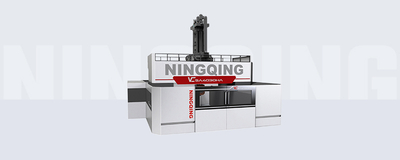
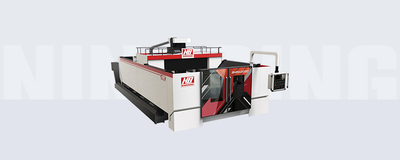
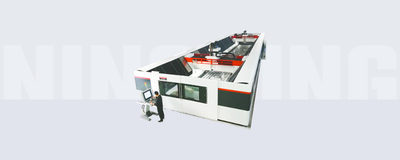
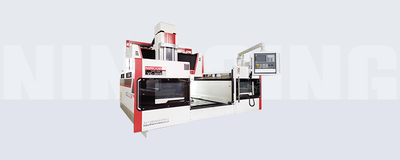
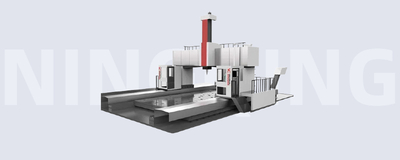
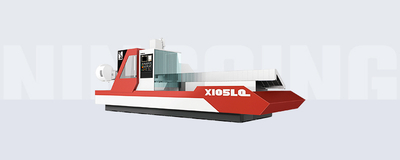
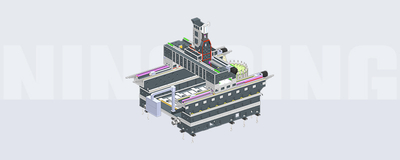
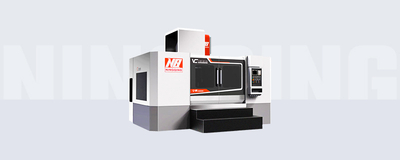
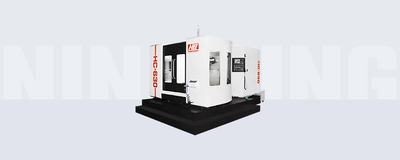
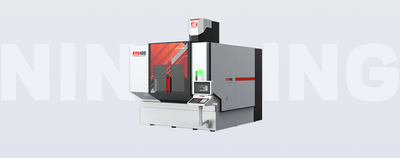
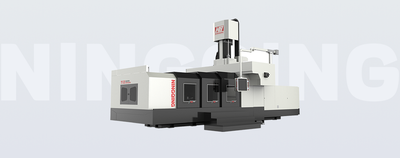
The first step in choosing a CNC machine tool is to clarify the processing requirements. The type, size and material of the workpiece to be processed determine the basic type of machine tool. For example, small precision parts are suitable for vertical machining centers (such as the Haas VF series), while large mold manufacturing may require a gantry machine tool (such as DMG MORI's DMU series). In addition, the complexity of processing is also critical: simple two-dimensional cutting can use a three-axis machine tool, and complex curved surfaces require a five-axis machine tool to support multi-angle operation.
Precision and performance: matching quality requirements
Precision is the core indicator of CNC machine tools and directly affects product quality. When choosing, you need to pay attention to the repeatability and spindle speed of the machine tool. For example, aviation parts require an accuracy of ±0.005 mm, so high-precision equipment such as Makino or Okuma machines are required. For general machining, an accuracy of ±0.01 mm is sufficient. Spindle speed affects cutting efficiency. High-speed spindles (>10,000 RPM) are suitable for lightweight materials such as aluminum alloys, while low-speed and high-torque are more suitable for steel processing.
Equipment Capacity and Scalability: Adapt to Future Needs
A good CNC machine tool should have sufficient processing capacity and scalability. Check the workbench size, load-bearing capacity, and tool magazine capacity to ensure that it can meet current and future production scales. For example, FANUC's Robodrill series supports automated expansion, and can be equipped with a robotic arm to improve unmanned production capabilities. In addition, whether it supports multi-task processing (such as turning and milling) is also worth considering to reduce equipment switching time.
Control system and ease of use: operating experience
The control system of a CNC machine tool directly affects operating efficiency. Common systems such as FANUC, Siemens, and Heidenhain each have their own advantages: FANUC is stable and widely compatible, Siemens is powerful, and Heidenhain is known for its easy programming. Beginners can choose user-friendly systems (such as Hurco's WinMax), while experienced operators may value customization. Trying out the machine or watching a demonstration video can help determine whether it meets the team's technical level.
Budget and cost-effectiveness: balancing costs and returns
After-sales service and support: ensuring long-term use
The life and stability of CNC machine tools are inseparable from after-sales support. When choosing, you should confirm whether the supplier provides localized services and whether spare parts are supplied in a timely manner. For example, Trumpf and Amada have service networks around the world that can respond quickly to failures. Checking user reviews and manufacturer reputation can also avoid maintenance problems later.
Conclusion
Choosing a suitable CNC machine tool requires comprehensive consideration of factors such as processing requirements, precision performance, scalability, control system, budget and after-sales service. After clarifying the goal, you can further verify the options by consulting professionals, visiting exhibitions or trying out equipment. Whether pursuing high precision or high efficiency, the right CNC machine tool can inject power into production and become a powerful assistant in the manufacturing industry.
We'd love to hear from you! Whether you have questions, need more information, or want to discuss a potential partnership, please fill out the form below and we'll get back to you as soon as possible.