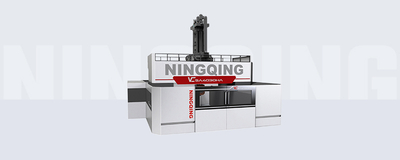
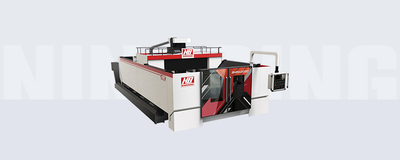
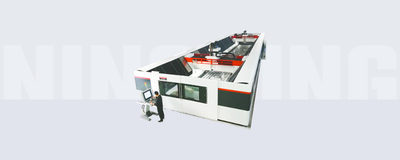
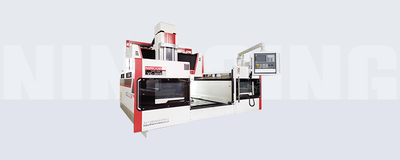
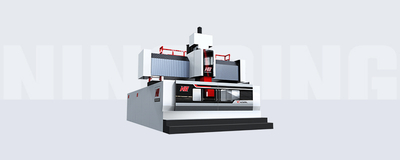
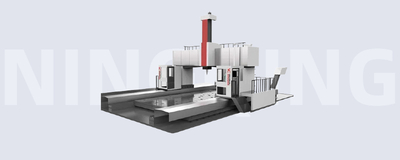
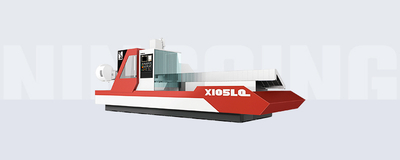
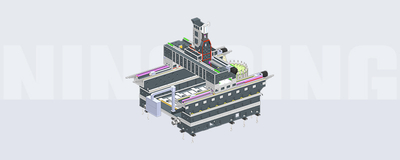
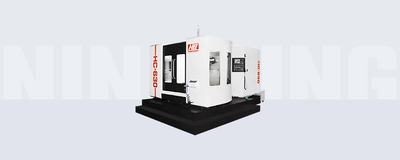
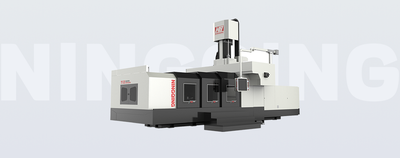
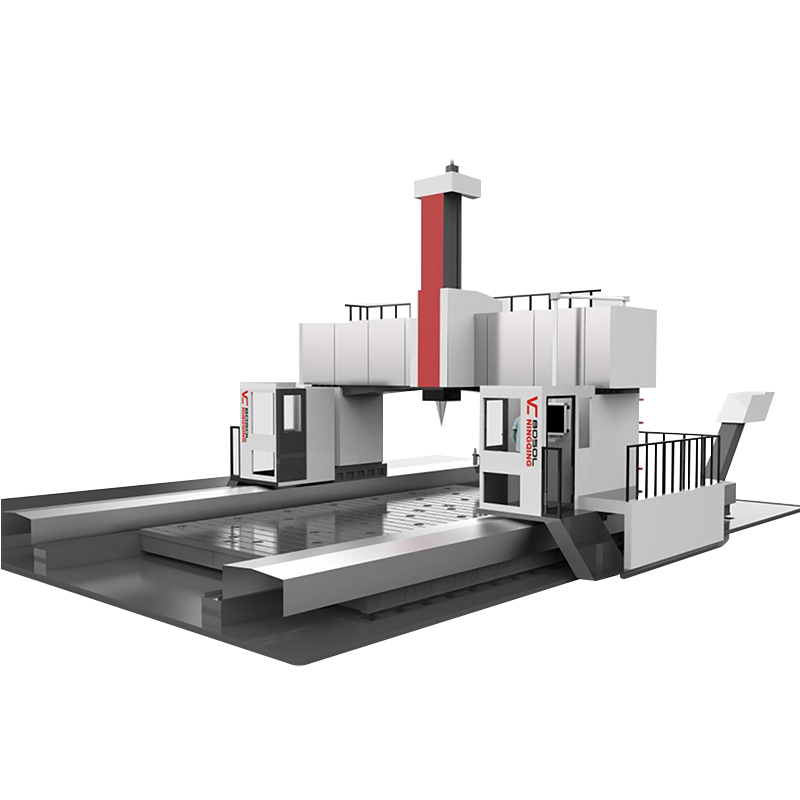
In the field of mechanical processing, heavy cutting processing is often used to process large and high-strength materials, such as the processing of heavy casings and large shaft parts in aircraft engine manufacturing. However, due to the large cutting force and severe vibration during heavy cutting, it is very easy to affect the processing accuracy and surface quality, and even damage the tool and machine tool. Therefore, it is very important to improve the stability of heavy cutting processing. Optimize the structure and performance of machine tools. The rigidity of the machine tool is the basic guarantee for the stability of heavy cutting processing. Use a high-rigidity machine tool bed structure, such as a casting bed, to enhance its ability to resist deformation through a reasonable rib plate layout and sufficient wall thickness design. At the same time, select high-precision and high-rigidity spindle components to ensure that the radial runout and axial movement of the spindle are controlled within a very small range under the action of heavy cutting force. For example, the radial runout of some high-end machine tool spindles can be controlled within 0.002mm. In addition, the performance of the machine tool's feed system is improved, and large-sized ball screws and linear guides are used, with high-performance servo motors, to ensure that the feed action can be performed stably and accurately during heavy cutting, and reduce vibration caused by unstable feed.
Reasonable selection and maintenance of tools
The tools are under great pressure during heavy cutting, and suitable tools and good maintenance are the key to stable processing. In view of the characteristics of heavy cutting, carbide tools or ceramic tools should be selected, which have high hardness, high wear resistance and good thermal hardness, and can effectively cope with high temperature and high pressure cutting environments. For example, when processing high-strength alloy steel, the use of coated carbide tools can significantly improve tool life and cutting stability. At the same time, attention should be paid to the optimization of the tool's geometric parameters, such as increasing the tool's rake angle and blade inclination angle to reduce cutting force; reasonably setting the tool's back angle to avoid excessive friction between the tool and the workpiece. In addition, regularly inspect and sharpen the tool, and replace severely worn tools in time to ensure that the tool always maintains a good cutting state.
Optimize cutting process parameters
The reasonable selection of cutting process parameters has a significant impact on the stability of heavy cutting processing. Cutting speed, feed rate and cutting depth are interrelated and need to be considered comprehensively. Generally speaking, in heavy cutting, appropriately reducing the cutting speed can reduce the fluctuation of cutting force and reduce the possibility of vibration, but it will affect the processing efficiency, so it is necessary to find a balance between the two. For example, for the roughing of large steel castings, the cutting speed can be controlled at 30-80m/min. At the same time, the feed rate and cutting depth should be adjusted reasonably, and the layered cutting method should be adopted to avoid excessive cutting force caused by excessive single cutting depth. In the roughing stage, the feed rate can be appropriately increased, and in the finishing stage, the feed rate can be reduced to ensure the processing accuracy. In addition, the reasonable use of cutting fluid can also play a role in reducing cutting temperature, reducing tool wear, and suppressing vibration, thereby improving processing stability.
Adopting vibration reduction and monitoring technology
In summary, by starting from machine tool structure optimization, tool selection and maintenance, cutting process parameter adjustment, and the use of vibration reduction and monitoring technology, the stability of heavy cutting processing can be effectively improved, the processing quality and efficiency can be ensured, and the high-precision and high-strength processing requirements such as aircraft engine manufacturing can be met.
We'd love to hear from you! Whether you have questions, need more information, or want to discuss a potential partnership, please fill out the form below and we'll get back to you as soon as possible.