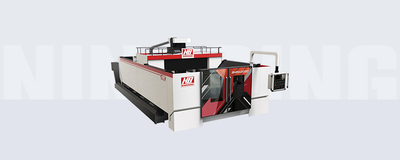
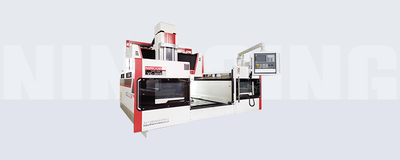
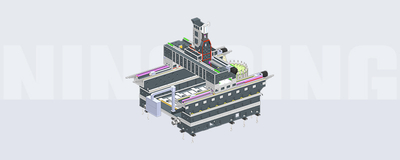
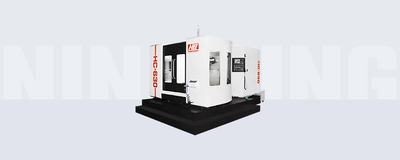
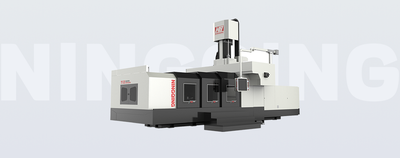
The life of CNC machine tools depends first on cleanliness. If the chips, oil and dust generated during the processing accumulate on the guide rails, spindles or electrical components, they will accelerate wear and even cause failures. It is recommended to wipe the surface of the machine tool with a soft cloth and a special cleaner after daily shutdown, and avoid using compressed air to blow directly to prevent dust from entering the interior. For cutting fluid, its concentration and cleanliness should be checked regularly to avoid corrosion of parts due to deterioration.
Lubrication management: reduce friction and wear
Lubrication is the key to extending the life of CNC machine tools. Moving parts such as guides, bearings and lead screws need to be regularly filled with lubricating oil or grease to reduce friction and heat accumulation. The specific lubrication cycle and oil type should be referred to the equipment manual. For example, Haas machines are generally recommended to be lubricated every 500 hours. Using an automatic lubrication system (such as some models of DMG MORI) can ensure uniform oil flow and avoid excessive or insufficient oil. In addition, check the lubricating oil tank regularly to ensure that there is no contamination from impurities.
Regular inspection and calibration: ensure accuracy and safety
The accuracy of CNC machine tools directly affects the processing quality, and regular inspection is essential. The spindle, tool clamping system and positioning accuracy should be inspected monthly, and the error should be calibrated using a laser interferometer or micrometer. If spindle vibration or abnormal noise is found, the bearing should be replaced in time. The electrical system also needs attention to check whether the wiring is loose and whether the cooling fan is operating normally to avoid controller failure due to overheating.
Reasonable operation: avoid overload and misuse
Improper operation is a common cause of shortening the life of CNC machine tools. Appropriate processing parameters should be selected according to the rated power of the machine tool to avoid overload operation. For example, excessive cutting depth and feed rate can damage the tool and spindle. In addition, before use, ensure that the workpiece is firmly clamped and the tool is installed correctly to avoid tool collision accidents. Training operators to be familiar with machine tool performance and safety specifications can effectively reduce the risk of human damage.
Preventive maintenance: Find problems in advance
Establishing a preventive maintenance plan is a scientific way to extend life. According to the frequency of use, key components (such as servo motors and hydraulic systems) are fully inspected every quarter or half a year, and wear data is recorded. With the help of modern CNC machine tools' intelligent monitoring systems (such as FANUC's predictive maintenance function), faults can be warned in advance through sensor data to prevent them from happening.
The service life of CNC machine tools can be significantly extended through daily cleaning, lubrication management, regular inspections, proper operation, preventive maintenance and environmental control. These measures not only protect equipment investment, but also ensure production efficiency and processing quality. Whether it is a small or medium-sized enterprise or a large factory, following scientific care and maintenance guidelines is the key to achieving long-term and stable operation of CNC machine tools. Develop good habits and make machine tools a reliable partner in the manufacturing industry.
We'd love to hear from you! Whether you have questions, need more information, or want to discuss a potential partnership, please fill out the form below and we'll get back to you as soon as possible.