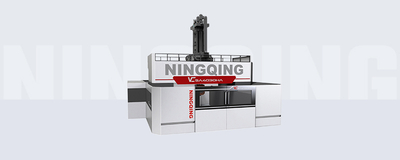
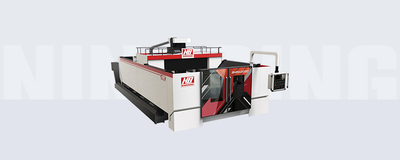
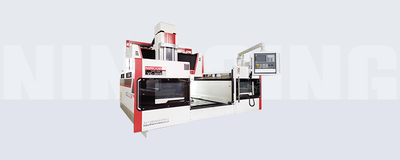
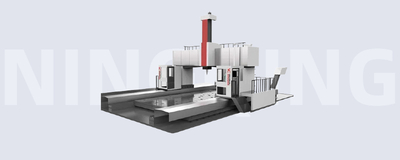
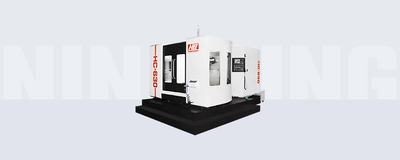
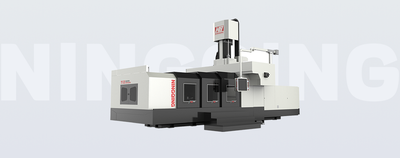
CNC machine tools control the movement of tools and workpieces through computer programs to achieve precise processing of complex shapes. Compared with traditional manual or mechanical processing, CNC technology has high repeatability and programmability. In mold manufacturing, CNC machine tools (such as milling machines, lathes and EDM machines) can accurately cut metal or plastic to meet micron-level tolerance requirements.
Improve accuracy: digitalization and high-performance equipment
The core of CNC technology to improve mold manufacturing accuracy lies in digital control. First of all, the application of CAD/CAM software makes mold design and processing path generation more accurate. Designers generate mold drawings through 3D modeling, and CAM software converts them into G code to guide CNC machine tools to move along precise paths. For example, Makino's five-axis machining center can achieve multi-angle cutting and ensure the geometric accuracy of complex curved molds.
Secondly, high-performance hardware is the guarantee of accuracy. Modern CNC machine tools are equipped with high-precision spindles and servo systems, which can control tool movement errors within ±0.001 mm. In addition, thermal compensation technology and laser measurement systems can correct deviations caused by temperature changes or wear in real time to ensure mold size consistency. This is particularly critical in the manufacture of injection molds that require high-precision fitting.
Improve efficiency: automation and multitasking
CNC technology significantly improves mold manufacturing efficiency, mainly reflected in automation and versatility. First, automation reduces manual intervention. The automatic tool change system (ATC) and workpiece clamping device allow the machine tool to run continuously without frequent stoppages for adjustment. For example, DMG MORI's milling machine can complete turning and milling in one clamping, shortening the processing cycle.
Second, CNC supports multitasking. Traditional mold manufacturing requires multiple devices to complete in steps, while five-axis CNC machines can process complex molds at one time, reducing the time for workpiece transfer and repositioning. Taking automobile molds as an example, CNC technology shortens the production cycle from weeks to days. In addition, high-speed cutting (HSM) technology further speeds up processing by increasing spindle speed and feed rate.
Practical application cases
In mold manufacturing, the application of CNC technology has been very mature. For example, mobile phone shell molds require extremely high surface finish and dimensional accuracy. CNC milling combined with mirror polishing can achieve a roughness of Ra0.1 micron. Another example is the mold of aerospace engine blades. CNC electrospark machining (EDM) can accurately form complex cavities to ensure part performance.
CNC technology has brought a double leap in precision and efficiency to mold manufacturing through digital control, high-performance equipment and automated processes. From design to finished product, it not only meets the needs of modern industry for high-quality molds, but also promotes the intelligent transformation of production models. With the advancement of technology, CNC will play a greater role in the field of mold manufacturing and inject new vitality into the manufacturing industry.
We'd love to hear from you! Whether you have questions, need more information, or want to discuss a potential partnership, please fill out the form below and we'll get back to you as soon as possible.