1. Technical strength is the primary consideration
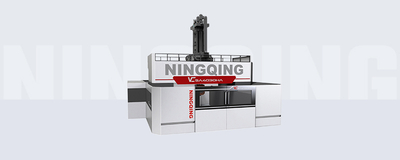
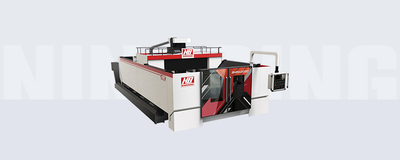
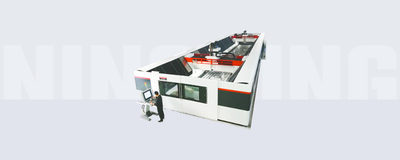
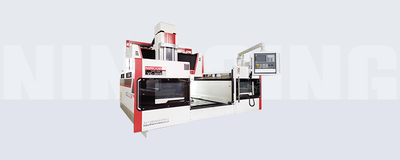
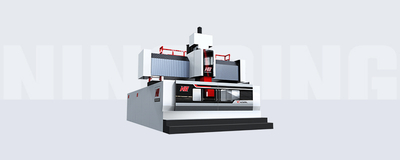
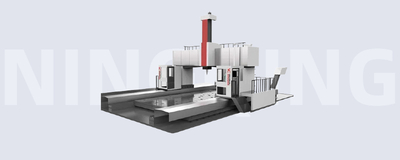
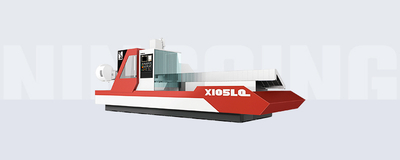
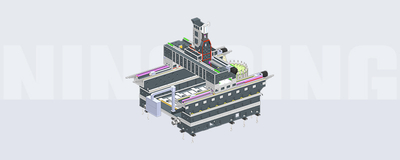
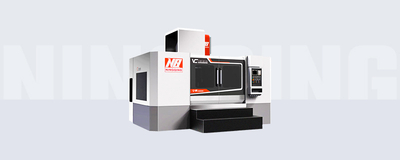
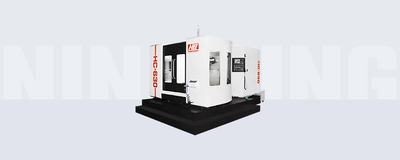
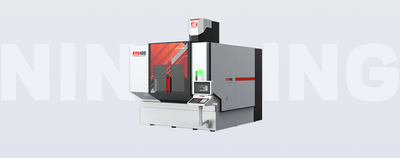
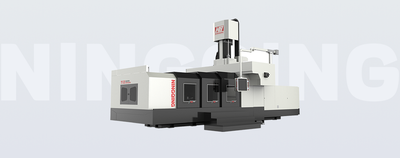
Aerospace manufacturing has extremely high requirements for precision, stability, and intelligence, so whether the supplier has advanced R&D capabilities and core technologies is the primary inspection indicator. Understanding whether it has mastered key manufacturing equipment technologies, such as five-axis CNC machine tools, high-speed machining centers, composite machining equipment, automated production line solutions, etc., and whether it can meet the needs of complex processes and precision assembly determines whether it has the ability to supply high-end equipment.
2. Product quality and certification system
High-quality equipment comes from a strict quality control system. When selecting a supplier, you should pay attention to whether it has passed ISO9001, AS9100 (aerospace quality management system), CE and other international quality system certifications, and understand whether its production process has complete detection and testing capabilities. Stable product quality is the basis for supporting long-term project cooperation.
3. Industry experience and customer cases
The aerospace industry has high barriers to entry, long cycles, and more detailed requirements for equipment adaptability. Suppliers with rich experience in aerospace projects often understand industry standards and customer needs better and can provide more suitable customized solutions. You can refer to the well-known customer cases and project application results of their past services as an important basis for judging their industry adaptability.
4. Delivery capability and after-sales service
The equipment should not only be delivered on time, but also provide complete technical support and after-sales service in installation and commissioning, operation training, maintenance and upgrades. Excellent suppliers often have a rapid response mechanism, spare parts guarantee system, remote diagnosis and online support capabilities to ensure the continuity and stability of customer projects.
5. Technological innovation and intelligent manufacturing capabilities
In the face of increasingly complex process challenges in aviation manufacturing, whether suppliers have the ability to upgrade to intelligence and automation is also critical. Investigating whether they have deployed technologies such as digital factories, industrial Internet of Things, data collection and analysis platforms, and whether they can help customers achieve cost reduction, efficiency improvement and green manufacturing is also an important dimension for evaluating the future value of supplier cooperation.
We'd love to hear from you! Whether you have questions, need more information, or want to discuss a potential partnership, please fill out the form below and we'll get back to you as soon as possible.