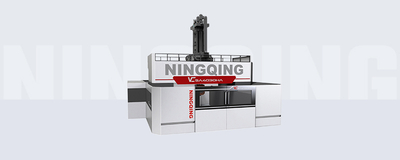
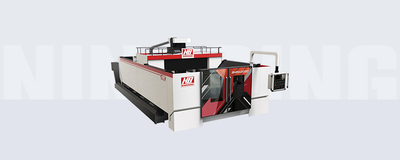
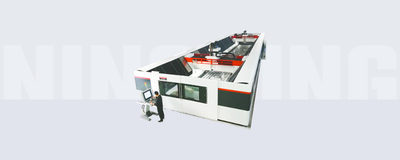
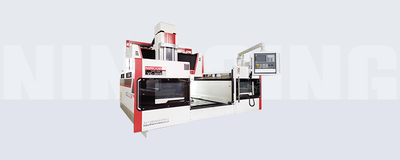
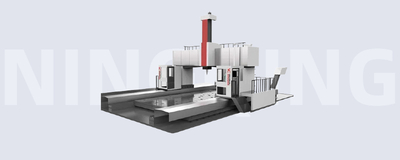
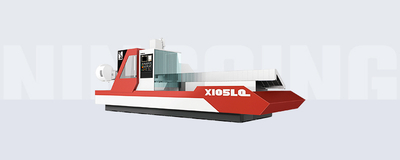
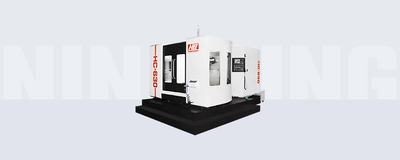
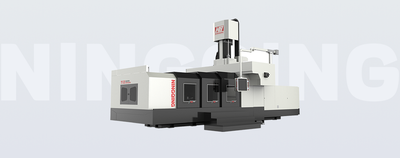
Horizontal milling is widely used in machinery manufacturing, aerospace, automotive and other industries. Its main advantage is that it can effectively process large quantities of high-precision parts. However, how to improve the efficiency of horizontal milling, reduce production time and increase production capacity is the focus of many companies. This article will introduce several tips to improve the efficiency of horizontal milling to help readers better understand and apply.
1. Choose appropriate cutting parameters
The reasonable selection of cutting parameters directly affects the efficiency of horizontal milling. Cutting parameters include cutting speed, feed rate, cutting depth, etc. In order to improve processing efficiency, these parameters need to be reasonably adjusted according to the workpiece material and tool characteristics. For example, increasing cutting speed and feed rate helps to increase processing efficiency, but the durability and processing quality of the tool must be taken into account. If the cutting parameters are set too high, it may cause accelerated tool wear or even tool breakage. Therefore, when adjusting the cutting parameters, it is necessary to ensure rationality and avoid excessive overload processing.
2. Use efficient tools and coating technology
Tool materials and coating technology have an important impact on processing efficiency. Modern horizontal milling usually uses high-performance carbide tools, which have good wear resistance and thermal stability, can improve cutting efficiency and extend tool life. At the same time, tool surface coatings such as TiN, TiAlN, etc. can further improve the high temperature resistance and wear resistance of the tool. Choosing suitable tools and coatings can not only improve processing efficiency, but also effectively reduce the frequency of tool replacement and reduce production costs.
3. Optimize tool path planning
The reasonable planning of tool paths is crucial to improving processing efficiency. The use of reasonable tool paths can reduce unnecessary empty tool running time and maximize cutting time. By using computer-aided design (CAD) and computer-aided manufacturing (CAM) technology, tool paths can be planned more accurately to avoid unnecessary cutting or ineffective tool movement. Optimizing tool paths can not only improve production efficiency, but also reduce vibration during processing and improve processing quality.
4. Reasonable arrangement of workpiece fixtures
The design and arrangement of workpiece fixtures have a direct impact on the efficiency of horizontal milling. Reasonable fixture design can improve the stability of workpiece clamping, reduce clamping time, and avoid the phenomenon of workpiece loosening or vibration during processing, ensuring processing accuracy. By adopting multi-station fixtures or automated fixture systems, multiple processing steps can be completed in one clamping, thus saving time and improving efficiency.
5. Introducing automation and intelligence
With the rapid development of intelligent manufacturing, the automation and intelligence of horizontal milling processing has become an important means to improve efficiency. The automation system can reduce manual intervention and improve the continuity and stability of production. Robot automatic tool changing system, automatic loading and unloading workpiece system, etc. can effectively reduce the labor intensity of operators and improve production efficiency. In addition, the intelligent monitoring system based on the Internet of Things (IoT) and big data technology can monitor various indicators in the processing process in real time, such as temperature, cutting force, etc., adjust the processing parameters in time, avoid excessive processing or equipment failure, and further improve production efficiency.
6. Regular maintenance and maintenance of equipment
The maintenance and maintenance of equipment is crucial to ensure processing efficiency. Regularly cleaning and lubricating the horizontal milling machine, checking the accuracy of its moving parts, and replacing worn parts in time can keep the equipment in the best working condition. Once the equipment fails, it often takes a long time to repair, affecting the production progress. Therefore, ensuring the normal operation of the equipment and extending its service life are important links to improve processing efficiency.
Conclusion
To improve the efficiency of horizontal milling, we need to start from the optimization of cutting parameters, tool selection, tool path planning, fixture design, introduction of automation and intelligence, and equipment maintenance. Only by comprehensively using these technical means can we improve productivity, reduce costs, and obtain greater economic benefits in the fierce market competition.
We'd love to hear from you! Whether you have questions, need more information, or want to discuss a potential partnership, please fill out the form below and we'll get back to you as soon as possible.