Analysis Of The Advantages Of Five-Axis Machining Centers: Making Machining More Efficient, Accurate, And Intelligent
You are here: Home » News » Industry Insights » Analysis Of The Advantages Of Five-Axis Machining Centers: Making Machining More Efficient, Accurate, And Intelligent
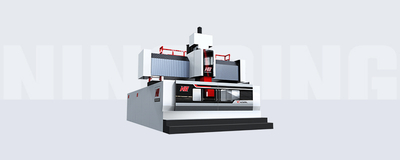
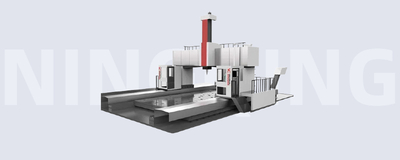
A five-axis machining center means that the tool can add two rotating axes (usually A, B or C axes) on the basis of the three linear axes of X, Y, and Z, so as to achieve multi-angle and multi-faceted simultaneous machining. This enables the machine tool to complete multi-faceted machining of complex curved parts after one clamping, greatly improving efficiency and precision.
2. The core advantages of the five-axis machining center
Reduce the number of clamping times and improve machining efficiency
When traditional three-axis machine tools process complex parts, they need to be clamped multiple times, and each clamping may cause errors. The five-axis machining center can achieve one-time clamping and complete multi-faceted machining, saving process time, improving machining efficiency, and reducing dependence on manual labor.
Improve machining accuracy and consistency
Five-axis linkage machining can complete the machining of each surface without changing the position of the workpiece, avoiding the accumulation of positioning errors and ensuring machining accuracy consistency, which is particularly important for high-precision products, such as aviation parts and precision molds.
Flexible response to complex surface machining
Five-axis machining is particularly suitable for machining irregular and free-form surface structures, such as turbine blades, automotive covers, ship propellers, etc. These parts often require the tool to contact the surface at multiple angles, and the five-axis system can easily cope with it.
Extend tool life and improve surface quality
Five-axis machining can make the tool always contact the workpiece at a suitable angle, avoid "scraping" phenomenon, reduce vibration and wear, thereby extending tool life and obtaining better surface finish and machining quality.
Highly automated and intelligent
Modern five-axis machining centers are often equipped with automatic tool change systems (ATC), intelligent control systems, workpiece measurement and error compensation functions, which can achieve efficient mass production of complex products and are key equipment for realizing "intelligent manufacturing".
The emergence of five-axis machining centers marks the transition of machining technology from the "plane era" to the "three-dimensional era". It not only makes complex machining simpler and more efficient, but also promotes the development of manufacturing industry towards high precision, high automation and high added value. For companies that pursue product quality and production efficiency, investing in a five-axis machining center is undoubtedly an important choice for the future.
We'd love to hear from you! Whether you have questions, need more information, or want to discuss a potential partnership, please fill out the form below and we'll get back to you as soon as possible.